
What Changes When a Child with Special Needs Turns 18?
What Changes When a Child with Special Needs Turns 18?
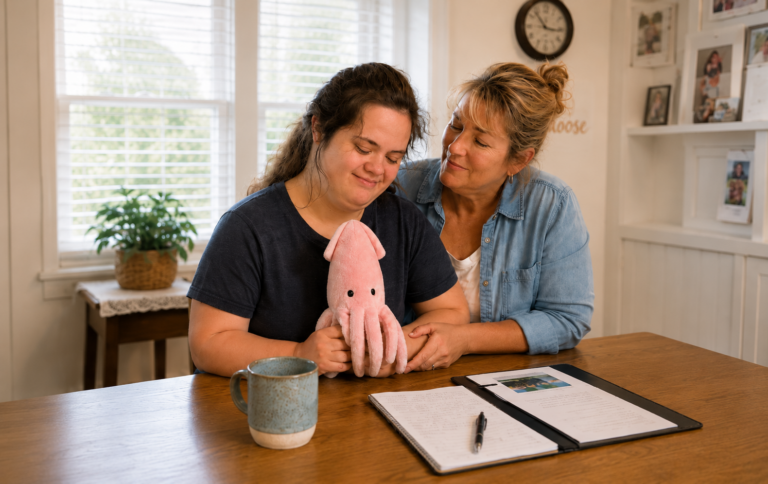
For most families, turning 18 is a celebration.
There may be a birthday cake, photos, graduation plans, and conversations about adulthood.
For families with a loved one with special needs, turning 18 can also bring important legal changes.
Many parents are surprised to learn that once a child turns 18, they may no longer have automatic authority to make certain decisions or access certain information.
Turning 18 does not mean support stops.
But it does mean planning becomes more important.
Why Age 18 Matters
In California, a child becomes a legal adult at age 18.
That can change how parents are able to help.
Before age 18, parents usually have broad authority to make decisions, talk to doctors, work with schools, and manage important matters for their child.
After age 18, that authority may not be automatic anymore.
This can be hard for families because the need for support may not suddenly change just because of a birthday.
A young adult may still need help with medical care, school, money, benefits, housing, or daily life.
That is why families should understand what changes and what options may be available.
Medical Information May Be Harder to Access
After age 18, medical providers may not be able to freely share health information with parents.
This can be frustrating for families who have always been involved in appointments, care decisions, and treatment plans.
In some cases, written permission may be enough.
In other cases, a parent may need legal authority, such as a healthcare power of attorney or a limited conservatorship.
The right option depends on the young adult’s ability to understand and sign documents.
The important point is simple:
If you want to stay involved in medical decisions, it is better to plan ahead.
School Communication Can Change Too
School communication can also change when a student turns 18.
Parents may be used to speaking with teachers, case managers, or school staff about an IEP or services.
But once the student becomes an adult, schools may have different rules about sharing records or discussing certain matters.
This does not mean parents are shut out completely.
It does mean families may need written permission or legal authority to continue being involved in the same way.
For families still working through transition services, this can be especially important.
Government Benefits May Need Review
Age 18 can also affect government benefits.
For example, Supplemental Security Income, often called SSI, may be reviewed under adult disability rules once a child turns 18.
This can be a major moment for families.
Benefits can help with basic needs, medical care, and long-term support.
Families should be careful about how money is held, how gifts are made, and how future inheritances are planned.
This is one reason special needs planning is so important.
A well-designed plan can help protect benefits while still allowing extra support for quality of life.
Parents May Need New Legal Tools
Once a child turns 18, parents should think about what legal tools may be needed.
Not every family needs the same plan.
Some young adults can make many decisions on their own, with support.
Others may need more formal help.
Common options include:
Supported Decision-Making
Supported decision-making allows a young adult to make choices with help from trusted people.
This may work well when the person can understand choices but wants help talking through them.
Powers of Attorney
A power of attorney may allow a parent or another trusted person to help with financial or healthcare decisions.
This usually requires the young adult to understand what they are signing.
Limited Conservatorship
A limited conservatorship may be needed when a young adult cannot safely make certain decisions on their own.
In California, a limited conservatorship is designed to be limited to the areas where help is truly needed.
It does not have to take away every right.
The goal is to protect the person while still allowing as much independence as possible.
Special Needs Trusts Become Even More Important
Turning 18 is also a good time to think about long-term planning.
A special needs trust can help protect a loved one who receives needs-based government benefits.
This is especially important when parents, grandparents, or other family members want to leave money or property to a person with a disability.
Leaving money directly to a loved one with special needs can create problems.
It may affect SSI, Medi-Cal, or other benefits.
A special needs trust can help provide extra support without replacing those benefits.
The trust can be used for many things that improve quality of life, such as care, activities, transportation, education, and other needs.
Turning 18 Does Not Mean Support Ends
This is the part families should remember most.
Turning 18 does not mean your loved one no longer needs you.
It does not mean you stop being a parent.
It does not mean support disappears.
It simply means the legal rules may change.
With the right planning, families can stay involved in a way that is thoughtful, respectful, and legally sound.
A Simple Next Step
If your child with special needs is approaching 18, or has already turned 18, it may be time to review your options.
Some families may need simple documents.
Some may need a limited conservatorship.
Many should also consider a special needs trust as part of the long-term plan.
Every family is different.
The most important step is to start the conversation before there is a crisis.
Planning ahead can help protect your loved one, preserve important benefits, and give your family more peace of mind.
If your loved one with special needs is approaching 18, Nickerson Law can help you understand your options and plan for the next step. Contact our office to schedule a consultation.